Sickle cell disease (SCD) is a genetic blood disorder characterised by the production of abnormal haemoglobin, causing red blood cells to become rigid and sickle-shaped. This leads to a range of serious health complications, including chronic pain, organ damage, and stroke1.
Nigeria, with its high prevalence of the sickle cell trait, bears a significant burden of this disease. To effectively manage SCD and improve the quality of life for affected individuals, robust health literacy and accessible genomic testing are crucial.
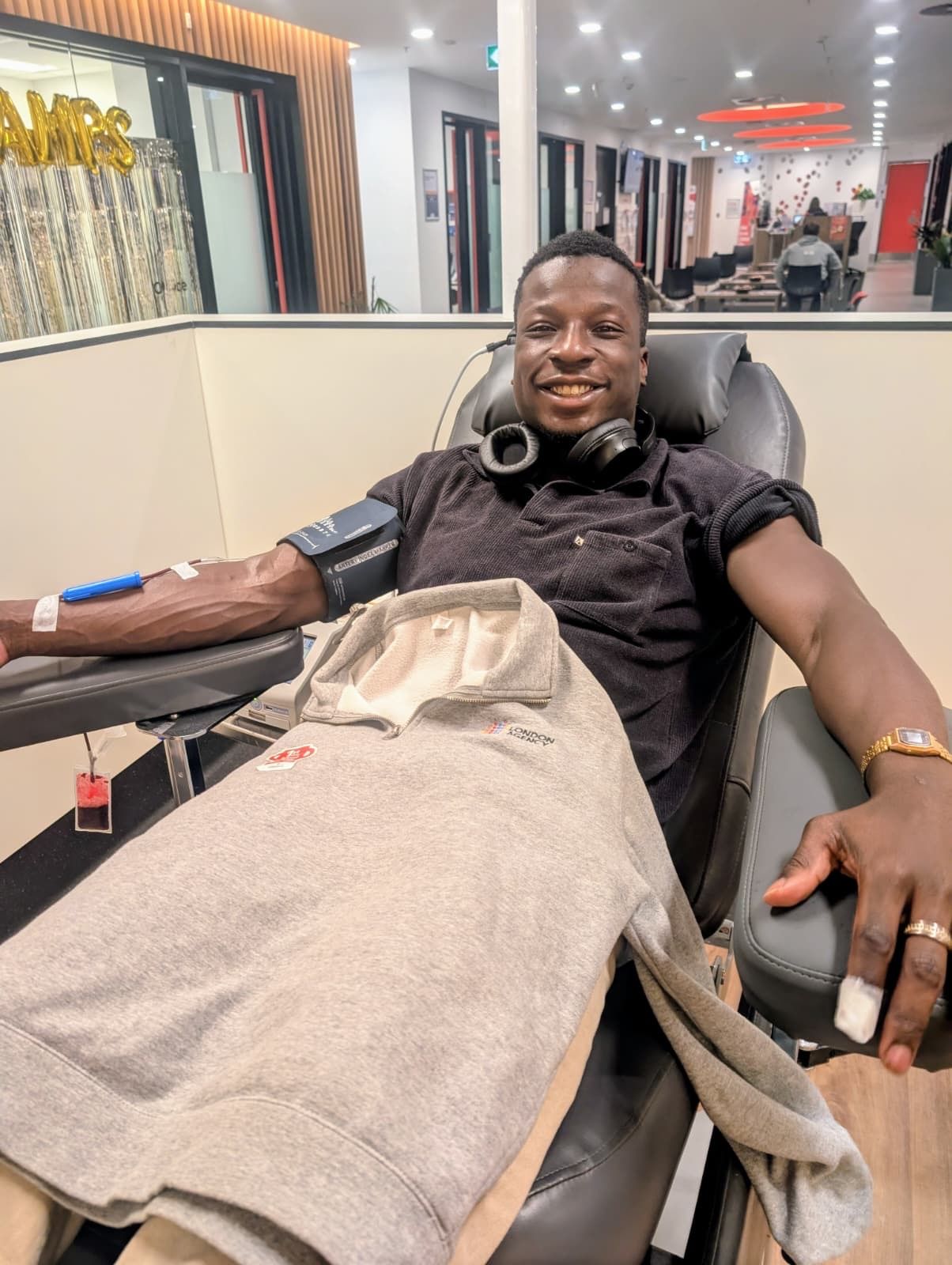
SCD is a deeply personal issue for me. As a British Nigerian, I’ve witnessed firsthand the devastating impact of this genetic disorder on families and communities. Growing up, I remember hearing stories about loved ones struggling with chronic pain, facing life-threatening complications, and even succumbing to the disease.
One of Nigeria’s most striking aspects of the SCD experience is the remarkable community-driven approach to awareness and prevention. It’s become commonplace for individuals to inquire about their sickle cell status before entering serious relationships. This isn’t just a personal choice; it’s often encouraged by families, religious institutions, and even educational settings.
This ingrained cultural practice reflects a profound understanding within the Nigerian community of the genetic nature of SCD. It demonstrates a proactive approach to mitigating the disease’s impact by empowering individuals with knowledge and enabling informed family planning decisions.
Witnessing SCD firsthand has profoundly impacted my perspective on healthcare. This community-led SCD awareness and prevention model offers valuable lessons for addressing other genetic disorders.
By leveraging the power of community engagement and cultural understanding, we can significantly improve health literacy and promote the uptake of genetic testing for a broader range of conditions.
However, while this cultural shift is commendable, it’s crucial to acknowledge the existing disparities in access to quality healthcare and genetic testing services within Nigeria. Many individuals, particularly those in rural areas, still face significant barriers to accessing these vital resources.
This is not just an issue for patients in Nigeria; the sporadic nature of rural healthcare is an issue in most nations globally, including Australia, where the metro/regional divide is a fundamental challenge of national healthcare.
As healthcare professionals, we are responsible for bridging these gaps. We must work collaboratively with communities, social leaders, and traditional communities to:
This level of patient activation can foster change in other therapeutic areas and genetic diseases by emphasising the power of patient involvement.
Healthcare organisations have already started to think about the patients, but we need to take a step further than this. The classic notion of “leaving an empty chair” to always consider them in strategic planning is outdated. We can actively invite patients and their caregivers into the conversation, allowing their voices to resonate. Patients are often eager to be involved in any partnerships with healthcare organisations. And industry.
When called upon, they play a vital role in enhancing their own care and championing the needs of others in the patient community.
Joshua O Aderinto serves as London Agency’s head of Medical Communications. Joshua Aderinto is a proficient healthcare expert with over eight years of experience in the pharmaceutical and sales industry, specialising in business development and communications. Joshua has a specific interest in oncology, rare diseases, and medical technology. He has effectively managed and executed global and local campaigns, showcasing his proven track record at both the global and local levels.
Joshua’s primary focus is to deliver a comprehensive omnichannel approach to healthcare communications, prioritising message penetration and stakeholder engagement. Joshua has a particular focus on ensuring the patient’s voice remains at the centre of all our activities.